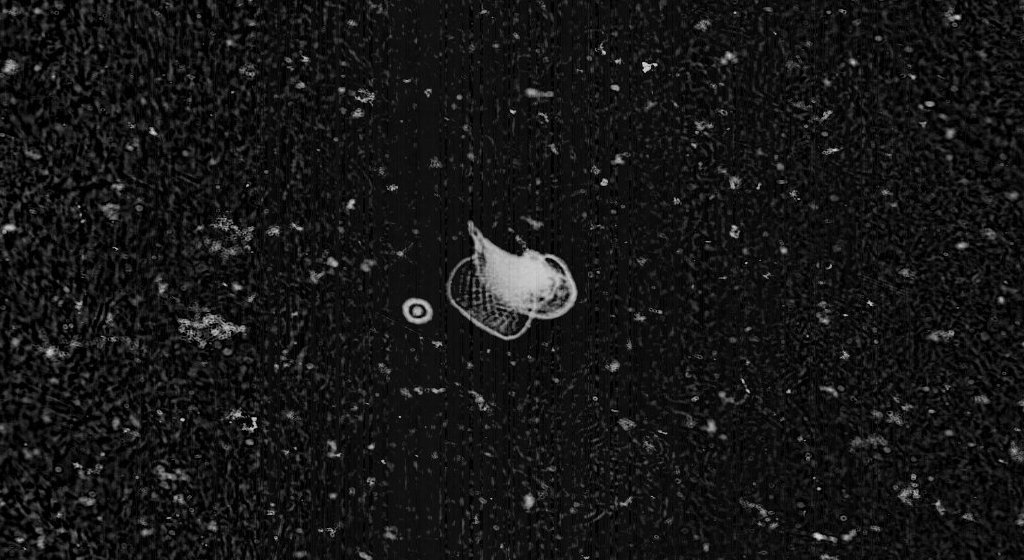
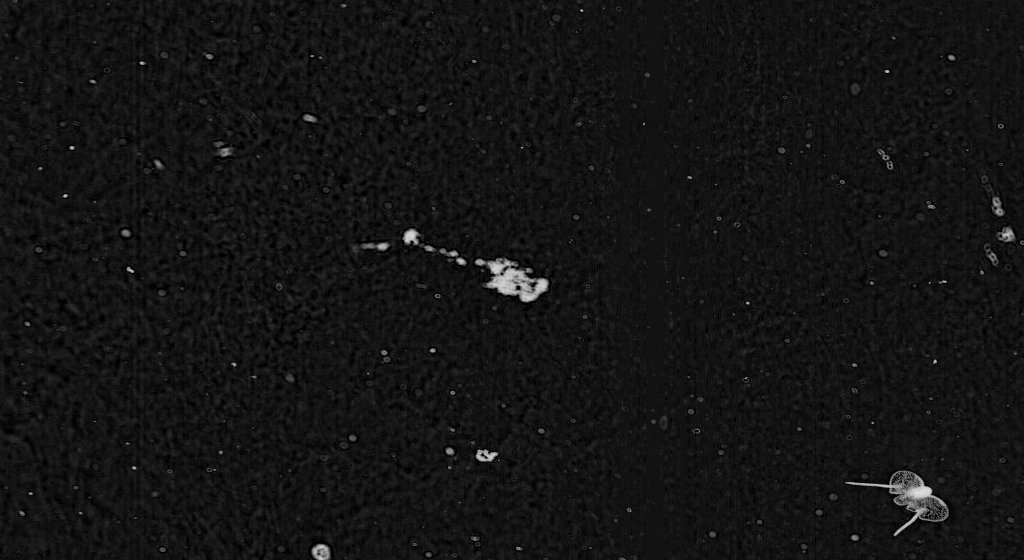
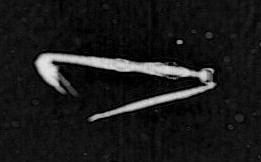
300,000! THANK YOU!

Whoa! We reached 300,000 classifications today! I saw the classification number creep up there earlier this week but didn’t get a chance to write a blog post about pushing the classifications up to 300,000. But YOU DID IT!

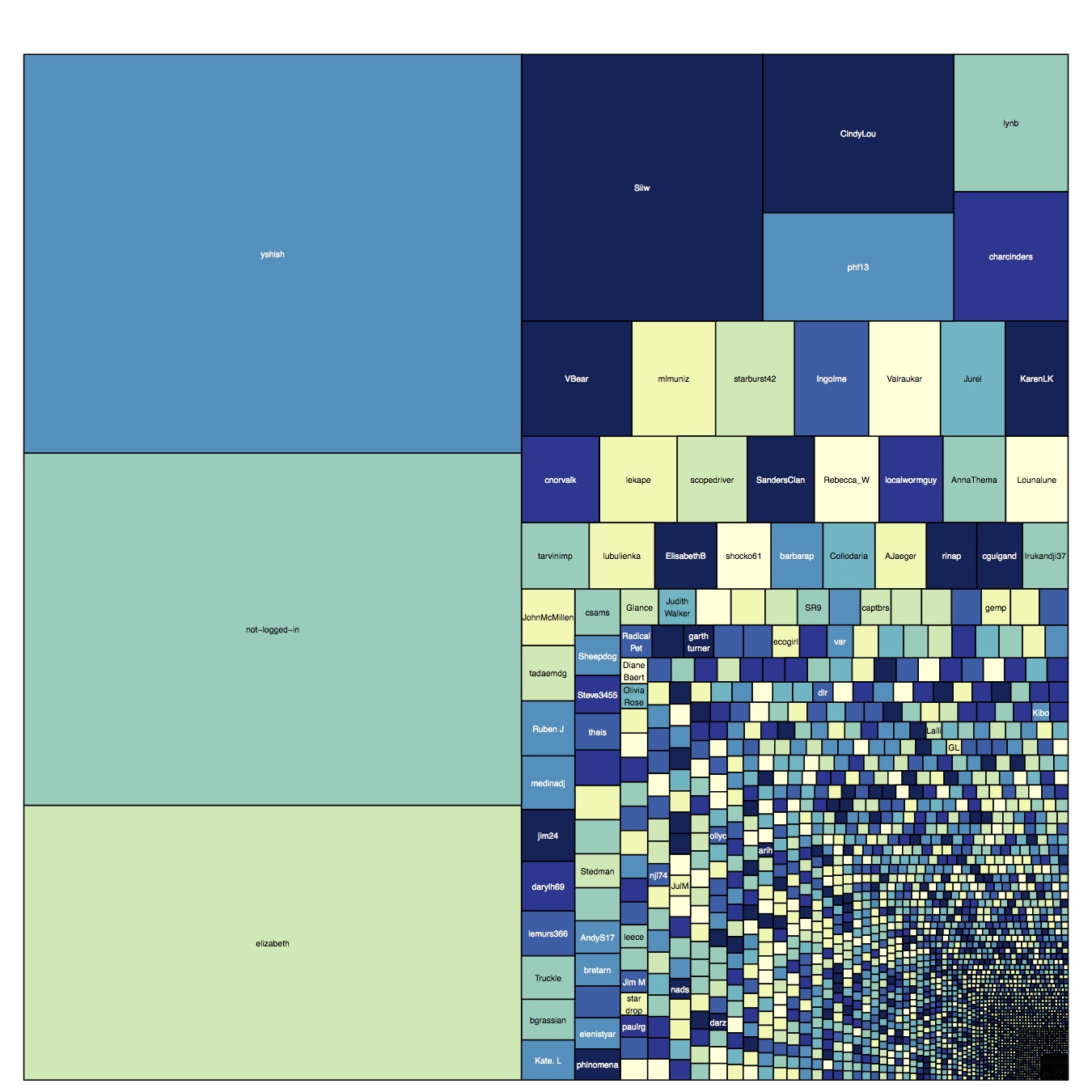
Who are the folks who made 300,000 classifications? To explain this we made a treemap to show the number of classifications that each person has made. We borrowed this idea from Margaret Kosmala of Snapshot Serengeti and Philip Brohan of Old Weather, who have created similar graphics for their projects.

In this graphic, each box represents one user, except for the users who were not logged in (those were all grouped together). We have over 2600 registered users on this site! And the size of the box reflects the number of classifications. Can you find yourself in this graphic?Usertreemap

What you’ll see here is that unlike some other projects (e.g. Snapshot Serengeti), our top 2-3 classifiers have done many more classifications than all the non-logged-in users combined! It’s interesting to us — because while Plankton might not have a very broad appeal to the general public, there are some people — YOU — who love this project so much that they dedicate a lot of time to it. You help carry this project along, and in the process, you become our ambassadors to your schools, communities, and cities. It’s quite amazing.

To that end, I’d like to thank our top 10 citizen scientists:

1. yshish *
2. elizabeth *
3. Siiw *
4. CindyLou
5. phf13
6. lynb
7. charcinders
8. VBear
9. mlmuniz
10. starburst42

Our next 10 top classifiers are: Ingolme, Valraukar, Jurel, KarenLK, cnorvalk, lekape, scopedriver, SandersClan, Rebecca_W, and localwormguy. Those whose names are marked with an asterisk (*) also help moderate the discussion boards – give a round of applause to them!

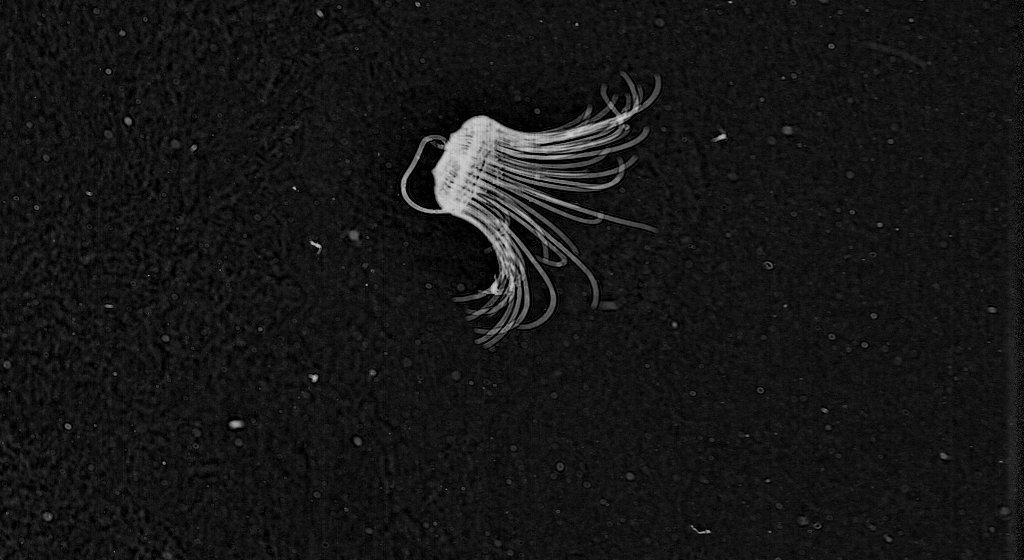
For our top classifiers and everyone who has participated in Plankton Portal, we thank you! Our friendly mascot, Solmaris, is offering free hugs:

51d1bea13ae74008a404ca8c

We hope that you all have enjoyed your time on this site – we have certainly enjoyed interacting with all of you on the discussion boards! It’s been very fun getting people all around the world involved in this project. Here’s to 300,000 more!


P.S. Also a huge congratulations to Zooniverse for being awarded a $1.8 million Google Global Impacts Award!

From the citizen scientists: #FFF

This week, we asked one of our top volunteers, Zuzana, a very lovely lady from the Czech Republic, to pick her favorite images for a special Fantastic Finds Friday (FFF) post. She went way above and beyond — did research on her own, wrote up information and background — and we are very pleased to present to you this week’s #FFF post.


Hello everyone. My name is Zuzana, also known as the user Yshish. I was asked by Jessica of the scientist team to put together my favorite pictures from this amazing Plankton Portal and write a short FFF post about them. So here they are:

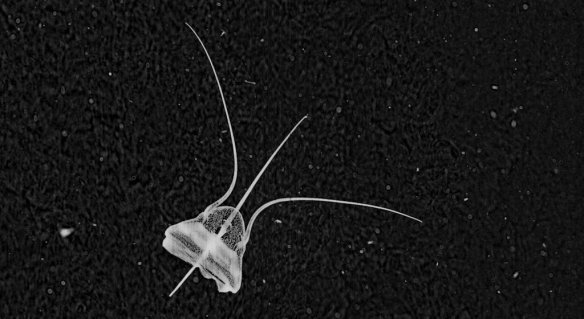
*The first of my most favorite finds for the last week is definitely this beauty – Aegina citrea.
51d1beec3ae74008a405df19-2

[http://talk.planktonportal.org/#/subjects/APK0006f6z]

This image of Aegina citrea was captured at a depth of 43.42 m and at temperature of 13.55°C.

Aegina citrea

Aegina is one of the jellyfish belonging to the Narcomedusae Order, like its more familiar relative Solmaris.

Members of this order do not normally have a polyp stage. The medusa has a dome-shaped bell with thin sides. The tentacles are attached above the lobed margin of the bell with a gastric pouch typically found above each. There are no bulbs on the tentacles and no radial canals. Narcomedusa are mostly inhabitants of the open ocean and deep waters.

A. citrea is a very rare species in the Plankton Portal images but if you were lucky to get an image with it, mark it as a 4tentacles medusa and start a discussion with using #Aegina tag.

An additional note: Narcomedusa ‘babies’ are very interesting, and act as parasites on other jellies after exiting the mother! Check out this link:

CreatureCast – Narcomedusae from Casey Dunn.

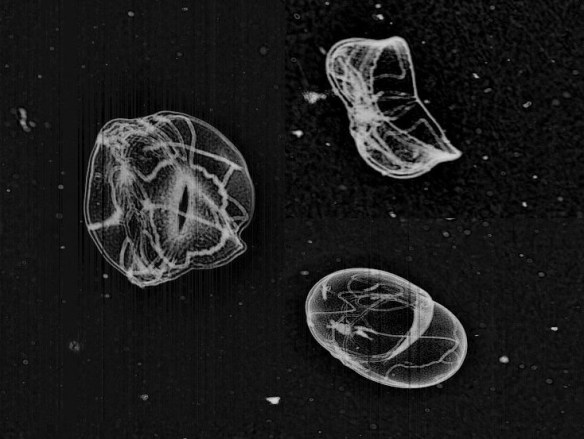
* The second find I chose for this post is my favorite species: ‘Thalasso’ – Thalassocalyce inconstans.
ysh_thalasso

This is a compilation of three separate Plankton Portal images. The Thalasso on the top right was caught while feeding! You can see him opening his ‘mouth’ widely to catch something tasty in the water!

Thalassocalyce inconstans, which we have nicknamed ‘thalasso’ on the Portal, belongs to the phylum Ctenophora – the comb jellies. The Order Thalassocalycida contains only one known species first described in 1978 [Madin and Harbison 1978]. They are closely related to the other ctenophore Orders such as Lobata, Cydippida and Cestidae.

They have an extremely fragile body that can reach 15 cm in width and is shortened in the oral-aboral direction. Thalassocalyce have short comb-rows on the surface furthest from the mouth, originating from near the aboral pole. They capture prey by movements of the bell as you can see in the pictures.

To me they look like an opened umbrella with a beautiful distinct linear drawing engraved on it. Their look is simply beautiful!

Also I can’t forget to mention that I’m fascinated by their bioluminescent abilities. The wavelength of the emitted light from Thalassocalyce is 491 nm (SHD Haddock & JF Case 1999).

* The third fantastic find is this beautiful ‘Corncob Sipho’ – Physonect siphonophore – Forskalia genus.

51d1bdbb3ae74008a401f2ed[http://talk.planktonportal.org/#/subjects/APK00029a8]

Physonect siphonophore

The Siphonophores are an order of the Hydrozoa, a class of marine invertebrates belonging to the phylum Cnidaria which include coral and ‘jellyfish.’ Although a siphonophore appears to be a single organism, each specimen is actually a colony composed of many individual animals. Most colonies are long, thin, transparent organisms that float in the open ocean.

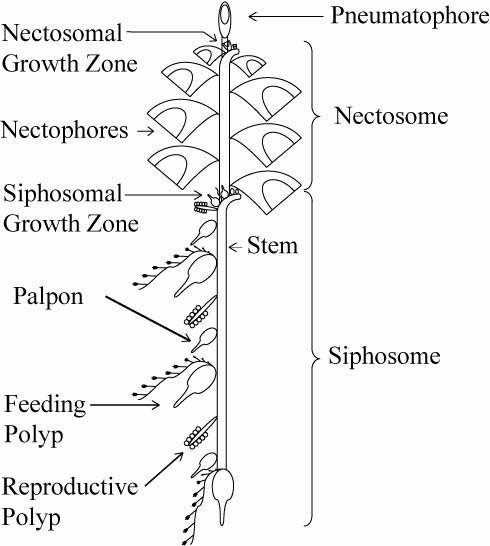
All of the zooids of a physonect colony are arranged on a long stem. This stem has a gas filled float known as a pneumatophore at one end. That’s the funny ‘nose’ we are used to seeing and are typical of the Physonectae family of siphonophores.

Just behind the pneumatophore are the nectophores. These are powerful medusae specialized for moving the colony through the water. They contract in coordination, propelling the entire colony forward, backwards, and in turns. The region of the colony containing the nectophores is called the nectosome.

Just behind the nectosome is the siphosome, which has all of the remaining zooids of the colony. These include feeding polyps capture food with their single, long tentacle, providing nourishment for the entire colony. [http://www.siphonophores.org/SiphPlan.php]
Siphonophores catch prey by putting out their long tentacles and waiting for something to bump into them.

Here is a nice schematic of a physonect siphonophore which could help you understand these awesome creatures:

Physonect siphonophore diagram – Casey Dunn

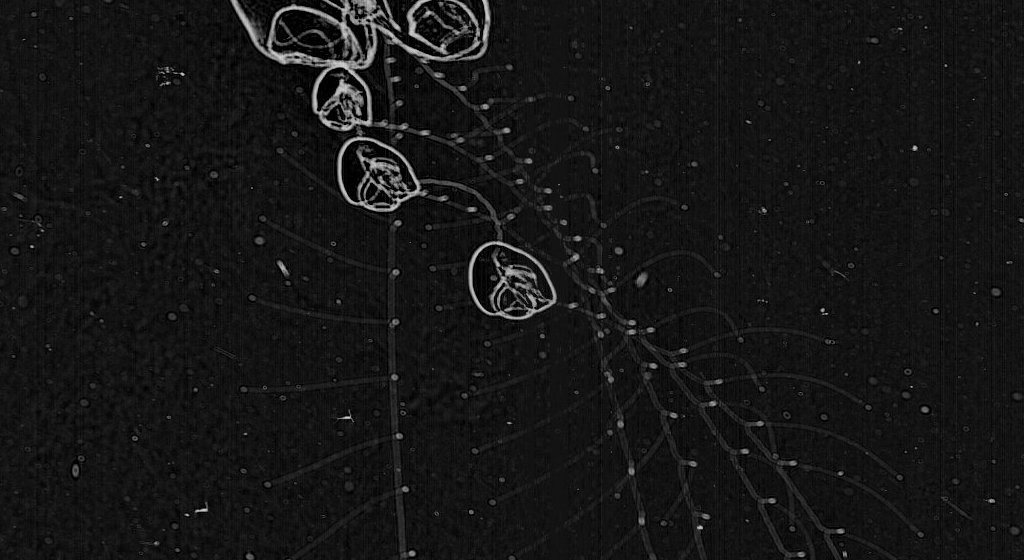
* My fourth pick is another Siphonophore, this fascinating ‘Thimble Rocket-ship’ – one of the Sphaeronectes genera captured here in a stunning feeding display.

51d1bed73ae74008a4054c87

[http://talk.planktonportal.org/#/subjects/APK0005o03]

You can see that he’s able to cover all the space around himself with his branching tail. It looks almost like a spiderweb to me. In this position he’s waiting for other plankton swimming around to catch and eat.

As I mentioned above, Sphaeronectes is a genus of the Siphonophorae order.

Most siphonophores capture their prey by trapping it with special side branches (termed tentilla) which originate from the tentacle of each gastrozooid. During feeding, the tentilla and the tentacles are extended into the water to form a large transparent net. The prey is first ensnared by the terminal filament and its entangling cnidae (stinging cells). The terminal filament then contracts, bringing the prey into the cnidoband, which contains many stinging cells. (Mackie and Marx 1988; Mackie 1999). [Siphonophora (Cnidaria: Hydrozoa) of Canadian Pacific Waters. Gillian M. Mapstone,Mary N. Arai]

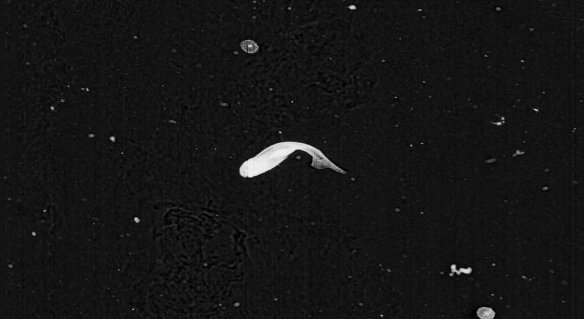
* My final favorite find is this fish – probably a Clupeid (Herring)
51d1be4b3ae74008a403ec4f
[http://talk.planktonportal.org/#/subjects/APK0004ajk]

Clupeidae is the family of the herrings, shads, sardines, hilsa and menhadens. It includes many of the most important food fishes in the world. Clupeids typically feed on plankton, and range from 2 to 75 centimetres in length. After hatching, the larvae are planktonic and live among other plankton until they metamorphose and grow into adults. The adults typically live in large shoals in the coastal oceans.

The larvae are 5 to 6 millimetres long at hatching and have a small yolk sac for nourishment that is absorbed by the time the larva reaches 10 millimetres. Only the eyes are well pigmented while it is a larva. The rest of the body is nearly transparent, virtually invisible under water and in natural lighting conditions.

The larvae are very slender and can easily be distinguished from all other young fish of their range by the location of the vent, which lies close to the base of the tail and is an opening for excretion of eggs and sperm. But distinguishing clupeids from other types of larval fish at this stage requires expertise and close examination. ISIIS images are of a high enough resolution to allow experts to determine the taxa of larval fish captured in the data!


I hope the article wasn’t too boring for you and that you have enjoyed reading it as much as I’ve enjoyed writing it. And do not forget, if you think you’ve found something really neat on the Portal use hashtag #FFF in the discussion boards. I can’t wait to see what else will be found next! Big thanks to Ben Grassian for the consultations!

-Zuzana

20131130-055913.jpg

Arrow worms: voracious plankton predators

You may think orcas or great white sharks are the most voracious predators in the oceans, but based on their abundance and ability to consume a wide range of prey items, chaetognaths (a.k.a. “arrow worms”) give those big animals a run for their money. Large predators like sharks are extremely rare, but scoop up a bucket of seawater almost anywhere in the world and you are likely to find a few chaetognaths (if you have a microscope handy). Chaetognaths are transparent worms that often remain motionless in the water column, apparently relying on the element of surprise to capture a wide variety of plankton, including copepods, appendicularians, small fish larvae, and smaller chaetognaths. Chaetognaths are thought to be generalist feeders because their stomach contents often reflect the community captured by plankton nets. They use a mass of chitinous hooks around their mouths to capture prey – which gives them their name (“chaetognath” translates from Latin to mean “hairy jaw”) and a notoriously menacing appearance.

Chaetognaths are often straight in the ISIIS images but can also swim rapidly for short distances. The camera typically cannot resolve the tiny chitinous hooks on the chaetognath's mouth.

Chaetognaths are often straight in the ISIIS images but can also swim rapidly for short distances. The camera typically cannot resolve the tiny chitinous hooks on the chaetognath’s mouth.

Chaetognaths comprise about 100 species that are all typically 1-2 cm long. They are most abundant along the coasts, with some species being so sensitive to salinity that oceanographers can identify discrete water masses based solely on the community of chaetognath species. Similar to many other types of zooplankton, chaetognaths are hermaphrodites, first being male then changing into female as they get larger. Fertilized eggs can be attached to vegetation or encased in a gelatinous web. Eggs then hatch into juvenile chaetognaths, and thus they have no larval stage. This is called direct development because there is no process of metamorphosis.

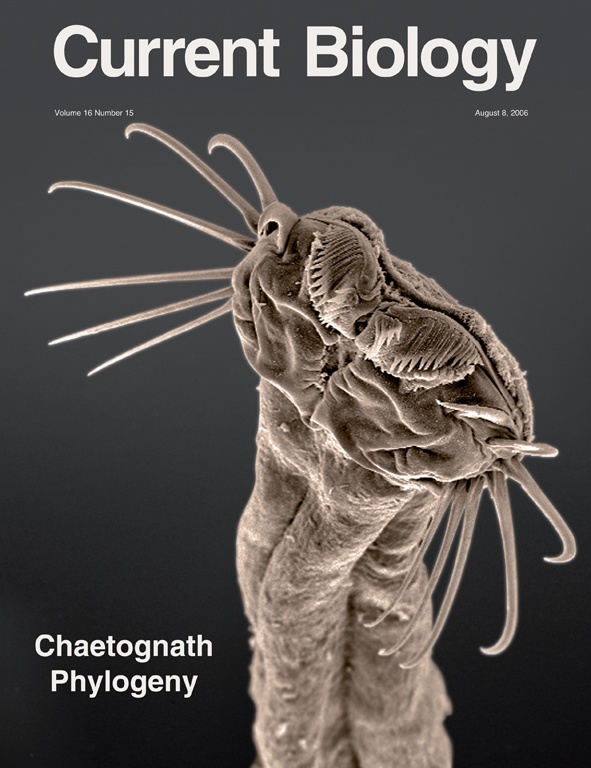
A clear image of the chaetognath's mouth on the cover of Current Biology.

A clear image of the chaetognath’s mouth on the cover of Current Biology.

The chaetognath’s body is streamlined and adapted to feeding with minimal visual input. The have sensory cilia that can detect small vibrations in the water that tell the chaetognaths that prey is within striking distance. With a quick flick of its tail, the chaetognath surges forward to capture the prey in its chitinous hooks used for grasping. It then transfers the prey to its mouth where it is swallowed whole. Some deeper water chaetognaths (>700 m deep) can even use bioluminescence to create a cloud of light that scientists think can be used to escape predation (Haddock and Case 1994).

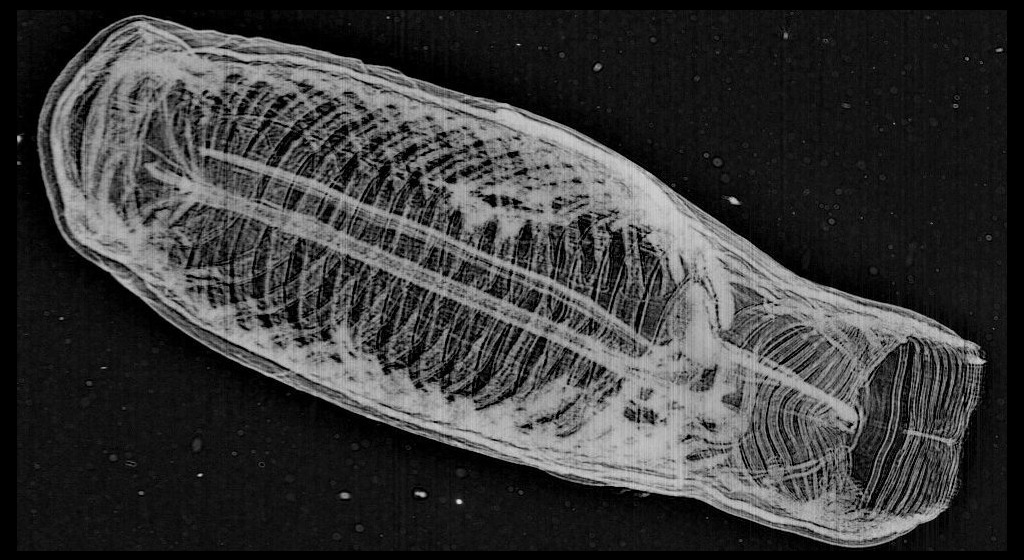
The most handsome chaetognath found by our citizen scientists!

The most handsome chaetognath found by our citizen scientists!

References:

Haddock SHD and Case JF (1994) A bioluminescent chaetognath. Nature 367:225

Johnson WS and Allen DM (2005) Zooplankton of the Atlantic and Gulf coasts: A guide to the identification and ecology. Johns Hopkins University Press, Baltimore, MD

Lalli CM and Parsons TR (1997) Biological oceanography an introduction. Elsevier Butterworth-Heinemann, Burlington, MA

Jellyfish blooms, Norway and Periphylla

Today’s post comes from a new blog started by Andrea Bozman from the University of Nordland, Bodø, Norway. She is a Ph.D student studying the Helmet Jellyfish, Periphylla periphylla. From Andrea’s blog, www.smackofscience.com, she weighs in on the question of whether jellyfish blooms are increasing. In Norway and in many other areas of the world, people are worried that menace jellyfish might be eating all the young fish, devastating vital fisheries. And increasing jellyfish blooms only make matters worse. Is this the case? Actually, the jury is still out — some scientists are saying that jellyfish blooms are natural and just a part of a global cycle, while others say that jellyfish are increasing due to human-caused degradation of the marine environment. This kind of debate is healthy in science, and the conversation worth following.

Here chimes in Andrea.

Andrea Bozman from The University of Nordland, Bodø, Norway

Revenge of the blobs

Jellies have made a name for themselves in the news, without much effort on their part. Numerous stories linking jellies with negative events are reported world over. In tropical locations this is normally associated with stingers, those jellies that can prove fatal upon contact. Here in Norway, we are not exposed to such angry jellies, but their less hurtful relatives can have economic consequences for industries such as aquaculture and fisheries. In 2011 an influx of jellies in Kaldfjorden sunk a salmon net cage, resulting in an approximate 30 tonne loss of fish. However, the presence of jellies is not a new problem for Norwegian waters. We have our own contender that is rather happy up here – Periphylla periphylla.

Periphylla periphylla, a coronate jellyfish capable of living at depths of 200 – 2000 m. Photo credit: Erling Svensen/savethehighseas.org

The jelly juxtapose

Interactions between fish and jellyfish are not always a bad thing. Some jellies are known to eat fish, others are eaten by fish, and still others provide protection for young fish. Instead of assuming negative connotations on the easiest target – the soft-bodied blobs floating around in our seas – we need to conduct thorough studies on the systems. The increase in reports of jellies may be a compounded effect of media interest rather than an increase in actual jelly numbers. Jelly blooms are nothing new. Well preserved blooms have been found in the fossil record. That said, a change in the location and numbers of some jellies is a fact. And Periphylla in Norway is a prime example.

Yet like jelly blooms, the Periphylla story is also complex. Periphylla is one of the most globally distributed jellies and has always been in Norway. Why numbers are increasing in some areas is unclear. The occurrences may be new or may be part of a cycle. Periphylla is long lived and it may take years for an individual to reach the adult stage. The recent increased numbers in some fjords may have been years in the making. Our knowledge of jellies needs to grow as jellies are likely both misunderstood and underestimated players in the fjords.

Check out the whole blogpost at: http://smackofscience.com/2013/11/15/the-good-the-bad-and-the-jelly/

Thanks for continuing to help out with Plankton Portal! Help from volunteers like you contribute to our understanding of the life histories, distributions and behavior of jellyfish. This information is crucial to have to better understand how jellyfish blooms happen and whether they are increasing globally.

Fantastic Find Friday: Back to Basics

Welcome to this week’s edition of Fantastic Finds found by our dedicated and keen-eyed community of citizen scientists here on the Plankton Portal.  As the weeks pass we are continually surprised by the sheer number of exciting and unique finds on the site.  There is rarely a dull moment here on the portal and we greatly appreciate our many users for their continued input and insight.  We have selected 5 stellar frames from a large collection of truly exceptional finds.  If you stumble upon an image you think is special select finish, click discuss, and tag it with #FFF for recognition on the Friday posts.  And off we go!

Salp; Ritteriella retracta – #Salp

51d1bef03ae74008a405fdd3

We are out of the gate running this week with this awe-inspiring, in-focus capture of a Salp.  What a lucky guy; most Salps don’t get the 5-minutes of fame they deserve!  It reminds me of some organic, underwater vacuum cleaner, which is not a far stretch given the foraging method these guys employ.  Salps are pelagic (open ocean) Tunicates that pump surrounding water through their tubular bodies, filtering out tasty organic matter with internal feeding structures, which are clearly visible here.  Yum!

We’d like to give a big ‘shout out’ to Elena Guerrero of Instituto de Ciencias Del Mar, Barcelona, Spain for the species-level ID.

Also, many thanks to user Yshish for this one which is perhaps my favorite find thus far on the site.  Since my work focuses on ctenophores, this may be a blasphemous statement.  I hope this assertion acts as incentive for the ctenophores to step up their game!

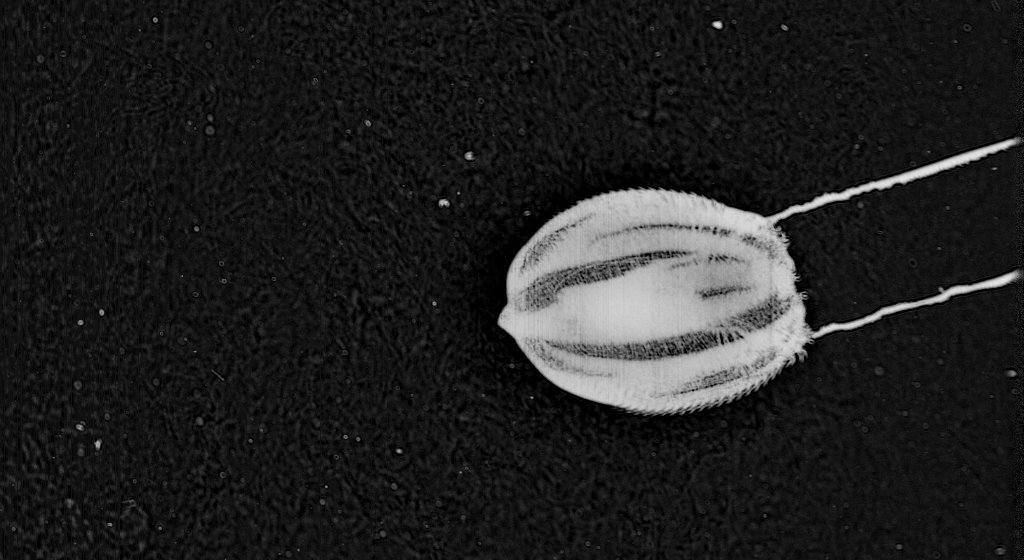
Pleurobrachia bachei – #Cydippid #Ctenophore

51d1beee3ae74008a405f27a

This species of ctenophore is as classic a morphology as you can find within this phylum.  You can clearly see the eight ctene, or comb rows with the two on either side giving us an exceptional visual of their ciliated, hair-like structure.  These comb rows are used both for feeding and for locomotion.  If you look closely, you can also see the tentacle sheaths running internally towards the center oral canal, or ‘stomodaeum.’  The tentacles are extended here for foraging, but can be retracted into the body via the tentacle sheaths.  This is one of the larger cydippid ctenophores I have seen on the site and is a stellar capture!

 Siphonophore; Family Prayidae – #Rocketship #Thimble #Siphonophore #Behavior

51d1bee33ae74008a405a4db

This capture of a prayine Siphonophore is a truly special find.  It seems ISIIS was at the right place at the right time as we captured this siphonophore in the process of asexually budding individual clonal copies of itself, also known as Zooids.  Siphonophores are colonial organisms composed of many specialized zooids, or single animals that together comprise the colonial animal, referred to as a zoon.  These individual zooids bud off from the stem of the siphonophore, which is the phenomenon on display here!  I am personally very glad that our species cannot reproduce asexually—could you imagine if that bully who teased you in middle school could make multiple clonal copies of him/herself?  I don’t think I would have survived all of those wedgies!

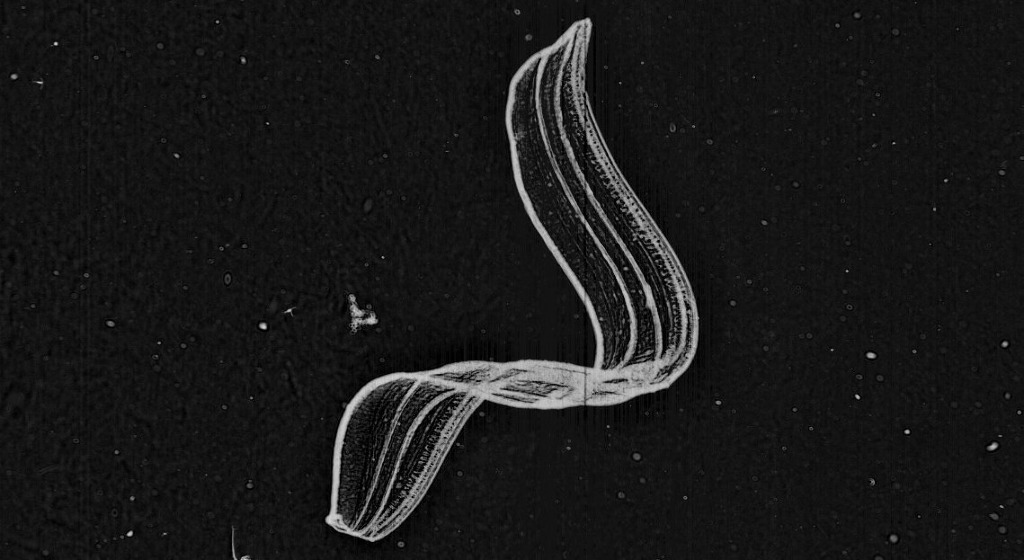
Cestid Ctenophore – #Cestida #Ctenophore

51d1bdb43ae74008a401b229

Yet another really neat capture of the ribbon-like Cestid Ctenophore.  Although it may not appear like the cydippid ctenophore above, they both share many characteristics.  You can see here the comb rows along the top (oral) side of the organism, on the right side of the guy captured in this frame.  Like the cydippid ctenophores, these comb rows are used for both locomotion and foraging.  The stomodaeum, or oral canal is also visible here, seen as the apparent crease along the oral-aboral axis in the mid-section of the organism.  When it comes to locomotion, the Cestid ctenophores have a trick up their sleeve, able to move through the water column via undulation of their body.  This is what we are witnessing in this capture here.  Either that or this guy is dancing for the ISIIS camera.

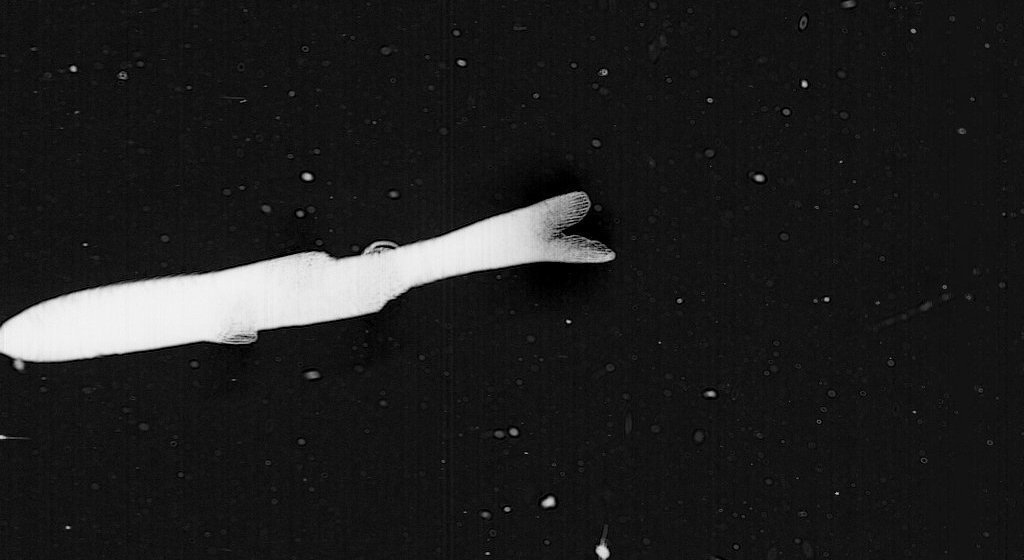
Post-Flexion Larval Fish – #Fish

51d1bdbb3ae74008a401f9d7

Another really great find of one of the rarest organisms in this data set—fish larva, or ichthyoplankton!  The taxonomic ID for this guy is either an Engraulid (anchovy) or a Clupeid (sardine).  This one here is quite big, and is a post-flexion larval fish.  Larval fish pass through three substages, if they are lucky enough to survive during this extremely vulnerable period: preflexion, flexion, and postflexion.  These stages are in reference to the orientation and flexibility of the notochord, the rigid axial support that predates the formation of the vertebral column developmentally in chordate species.  Pre-flexion larval fish have a notochord that is incapable of movement required for locomotion and foraging.  Larval fish in this preliminary substage rely on a yolk sack provided for them in their early ontogeny.  Flexion, or the development of flexibility of the notochord occurs at roughly the same time the yolk sack is depleted.  This is a ‘critical period’ where the larval fish must find food within a short period of time, or the ichthyoplankton will not survive!  Thus, the temporal and spatial distribution of ichthyoplankton in the water column is a crucial determinant of their survival.  This guy is very lucky for having survived to this stage!  Let’s all give him a round of applause.

We hope this was an informative and fun view into some of the many awesome critters found by ISIIS and our citizen scientists.  Until next time!

Plankton Portal “en Français” (in french) coming soon!

plankton french

Artwork by Jean-Olivier Irisson

Great news! We are working on translating Plankton Portal in French with our
French Collaborators: Fabrice Not from the Station Biologique de Roscoff and Jean-Olivier Irisson from the Observatoire Océanologique and Station Zoologique de Villefranche-sur-mer. “The idea is also to get some interest from French schools to develop a curriculum around Plankton Portal” Dr. Irisson explains.  Stay Tuned.

Copepods: Rice of the Sea

Of all plankton groups, probably most is known about the copepods. They represent a critical link in the food chain and are consumed by diverse animal community ranging in size from small fish, chaetognaths, and ctenophores all the way up to large whales (the right whale is a voracious copepod feeder). Because of their small size and importance as food, copepods are affectionately known as “the rice of the sea.” Copepods are effectively captured by plankton nets because they have hard exoskeletons, and scientists have good estimates of their abundances and distributions. Although copepods are all relatively small (0.5 mm – 5 mm in length), they comprise over 200 families and 10,000 different species.

CopepodsTogether

Examples of typical copepods. Note to the two large appendages on the top of the head with small sensory hairs

Copepods consume both phytoplankton and microzooplankton in two different ways: suspension feeding and raptorial feeding. Suspension feeding is relatively passive and performed by beating small appendages that draw a current through a feeding chamber. Copepods then select which particles encountered are food and discard others. Raptorial feeding is used to actively capture prey. Many copepods have small sensors on their first appendages to detect water disturbances produced by prey and also predators. They can use these relatively large appendages to “hop” through the water and capture an unsuspecting prey item or to quickly escape a predator.

Copepod reproductive strategies vary greatly and are adapted towards the ability to withstand the variable conditions that characterize the ocean environment. For example, many copepod eggs have the ability to enter a phase of diapause where they remain viable on the bottom for several months or even years, only hatching with conditions are favorable (high concentrations of food). Some copepods carry their eggs, allowing them to develop a bit before releasing them into the water column. The timing of copepod reproduction is especially important for the life cycle of fishes because most fish larvae depend on the recently hatched copepod nauplii for food. If there are not enough copepod nauplii present when fish larvae are abundant, there could be mass starvation events causing few fish larvae to reach their juvenile stage. Because of this, the copepod life cycle is extremely important to fish populations and overall ocean ecosystem health.

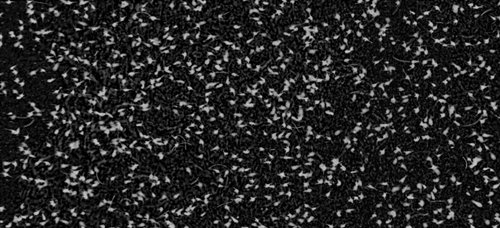
This image was taken from a thin layer near Stellwagen Bank offshore of Massachusetts, USA. Each one of the white particles is a copepod. The concentration of organisms in this image corresponds to ~400,000 individuals per cubic meter! That is some good eating for a right whale!

This image was taken from a thin layer near Stellwagen Bank offshore of Massachusetts, USA. Each one of the white particles is a copepod. The concentration of organisms in this image corresponds to ~400,000 individuals per cubic meter! That is some good eating for a right whale!

One of the most remarkable characteristics of copepods is their tendency to aggregate in discrete thin layers within the water column. Sometimes >90% of the copepod biomass will be confined these thin layers, which are a maximum of 5 m thick. ISIIS and other systems that sample on small scales are ideal for detecting these layers of copepods, and the function of the formation and dissipation of copepod thin layers is not well understood. Copepods have been shown to be attracted to strong changes in current direction and speed, potentially allowing them to feed at a faster rate within these zones (Woodson et al. 2005). The changes in environmental variables associated with aggregations of copepods are of great interest to marine ecologists. With your help, we can better understand how these extremely important organisms are distributed throughout our oceans!

References:

Johnson WS, Allen DM (2005) Zooplankton of the Atlantic and Gulf coasts: A guide to their identification and ecology. Johns Hopkins University Press. Baltimore, MD.

Woodson CB, Webster DR, Weissburg MJ, Yen J (2005) Response of copepods to physical gradients associated with structure in the ocean. Limnol Oceanogr 50:1552-1564

Pteropods By Dorothy Tang

Pteropods are a group of organisms that we’re not focusing on because they are not very abundant in the Plankton Portal dataset. Nevertheless, you may have run across a few of those fascinating little creatures.

Pteropod, which means ‘wing-foot’ in Greek, is a group of free-swimming pelagic gastropods (snails). Officially, the word ‘pteropod’ is no longer used in taxonomy; it is a collective term which refers to two clades of gastropods—thecosome (shelled body) and gymnosome (naked body). Pteropods are quite unique because in order to adapt to life in the water column, their foot is modified into two wing-like flippers used for swimming. Their body size ranges from a few millimeters to several centimeters – so they’re easily imaged by ISIIS. They can be quite abundant in certain regions of the world’s oceans, and are typically found near surface waters.

The first group of pteropods, thecosomes, are also known as the sea butterflies. They have a pair of large ‘wings’ and swims by continually flapping them. Their body is encased in a delicate and translucent shell.The shell can be coiled, needle-like, triangular, and globed.

51d1bda13ae74008a40111d7

Thecosomes are omnivores. Their diet consists of diatoms, dinoflagellates, and zooplanktons such as copepods, tintinnids, and other gastropod larvae. They capture food by secreting a spherical mucus web several times larger than their body. Scientists believe that the use of the large size mucus web is to capture large, fast swimming prey, such as copepods. The web acts as a filter: particles that are too large for ingestion are removed. During feeding, the mucus web is suspended above the animal while the animal remains motionless below. Ciliary action draws back the web to the mouth and the whole web is ingested.

51d1bda43ae74008a4012a44

Thecosome reproductive biology is quite unusual. The animal first matures and functions as male. The male pteropod mates with another male and the sperm is stored until the animal changes into a female. When the animal turns into female; its male reproductive organs degenerate. The female lays fertilized floating egg mass that later hatch into swimming larvae (veliger).

51d1be2e3ae74008a402f99b

When a thecosome dies, its shell sinks to the bottom of the sea and forms sediment called pteropod ooze. The shell is composed of aragonite, an unstable form of carbonate mineral. Anthropogenic ocean acidification is one of the challenges that pteropods face. The increase of anthropogenic carbon dioxide level in the atmosphere reduces pH and carbonate ion concentration in the ocean, thus decreasing the calcium carbonate saturation level. As a result, the production of biogenic carbonate becomes more difficult. Overall, they have a hard time secreting their protective shell because of ocean acidification.

The second group of pteropods, or gymnosomes, are more commonly known as sea angels. They have much smaller wings which appear as side lobes. They are more robust and lack a shell. Unlike their thecosome relatives, gymnosomes are carnivores. They are active hunters and exclusively prey on thecosome pteropods. A combination of hooks and a toothed radula are employed to extract the flesh from the thecosomes’ shells.

The reproductive anatomy of gymnosome pteropods is similar to thecosomes pteropods. The only difference: the male reproductive organs do not degenerate in females. Gymnosomes has two distinct larvae forms. Eggs are hatched into shelled veliger. The veliger metamorphoses into a shell-less polytrochous larvae. The polytrochous larvae are initially wingless and movement is achieve by three ciliary bands. They gradually grow wings and lose the ciliary bands as they become adults.

Here is a very nice video about Pteropods.

Plankton Chronicles Project by Christian Sardet, CNRS / Noe Sardet and Sharif Mirshak, Parafilms. See Plankton Chronicles interactive site: planktonchronicles.org

FFF special behavior

Hello everyone. We have a special “behavior” Fantastic Finds Friday (FFF) today! These frames were selected from your posts to illustrate the power of the human eye to detect rare and unusual phenomena. The frames selected here may not be the most beautiful you have seen so far, but the story behind them is fascinating and could not be told without the help of our citizen scientists.

Here is great shot of a larvacean (also known as an appendicularian) getting spooked by the movement of ISIIS. Larvaceans are known to escape from their mucous house if threatened by a predator. Unfortunately the house can’t be used again, and they will start secreting a new house once the threat is passed.

51d1bd9b3ae74008a400dcb1

Arrow worms (chaetognath) are voracious predators capable of engulfing prey as big as their own body. In these images, you can see an arrow worm catching a larvacean and the other grasping what appears to be a copepod. Their mouths resemble a crown of spikes ready to impale any unlucky prey. Chaetognaths also prey on fish larvae.

51d1bd993ae74008a400c7d0 51d1bda43ae74008a4012997

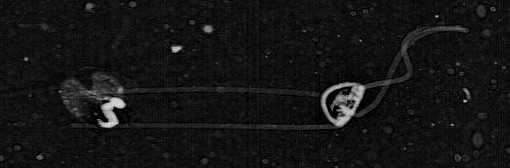
These two medusae just snagged a larvacean house. Accident or deliberate attempt to feed on these poor guys? The long trailing tentacles act like a sticky fishing net that retracts to bring in the catch of the day.

51d1bd993ae74008a400c49e 51d1bed43ae74008a40537f6

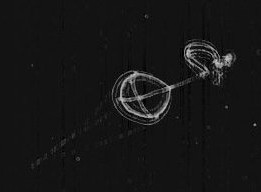
These Solmaris seem to be reaching for something (one tentacle pointed opposite to the others). Solmaris have been seen feeding on other jellies – even large siphonophores! They swim with their tentacles forward to maximize the chances of catching a prey. they then move the item to their mouth with one tentacle (like an arm almost).

51d1bed43ae74008a4053599 51d1beea3ae74008a405d135 51d1befc3ae74008a40653ad

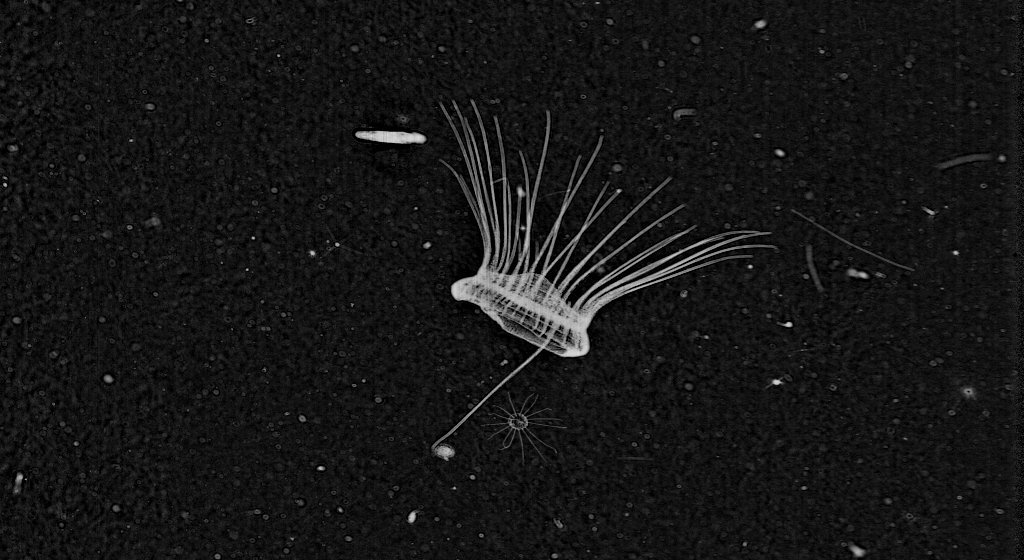
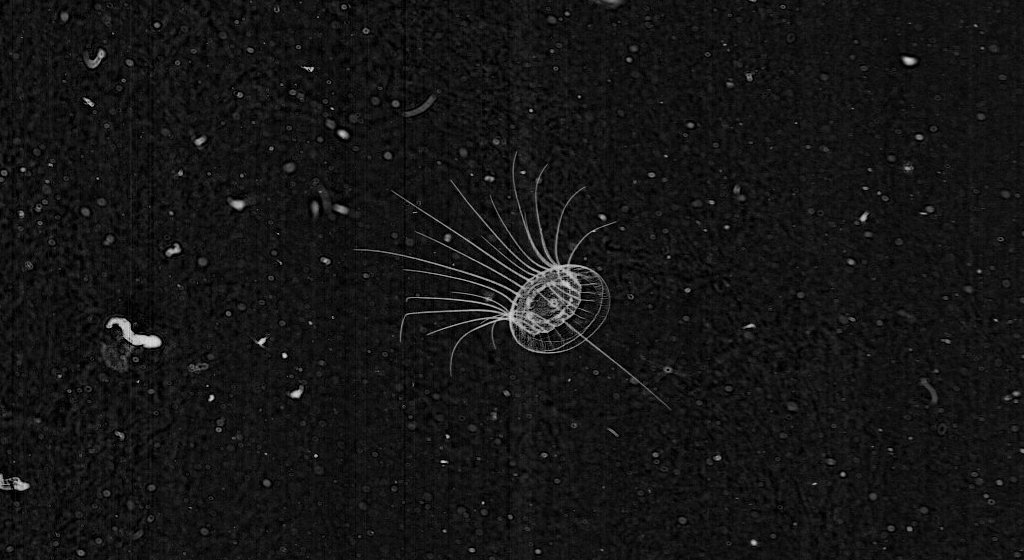
No, these are really two different frames! Amazing consistency in posture isn’t it? And look at these two tentacles reaching out – sensing their environment? Hoping to encounter a tasty prey item? If we detect enough of these organisms, we could try to investigate at which time or location they behave this way. This could be a really interesting project!

51d1bd853ae74008a400264a 51d1bd903ae74008a4007734

So if you see something interesting like these example or suspect some interaction is at play in one of the frame use the hashtag #behavior. Remember to mark frames you want considered for future Fantastic Finds Friday posts with #FFF. Thanks, and keep up the good work!